

Contact us 01903 503 841

Why have an inlay or onlay?

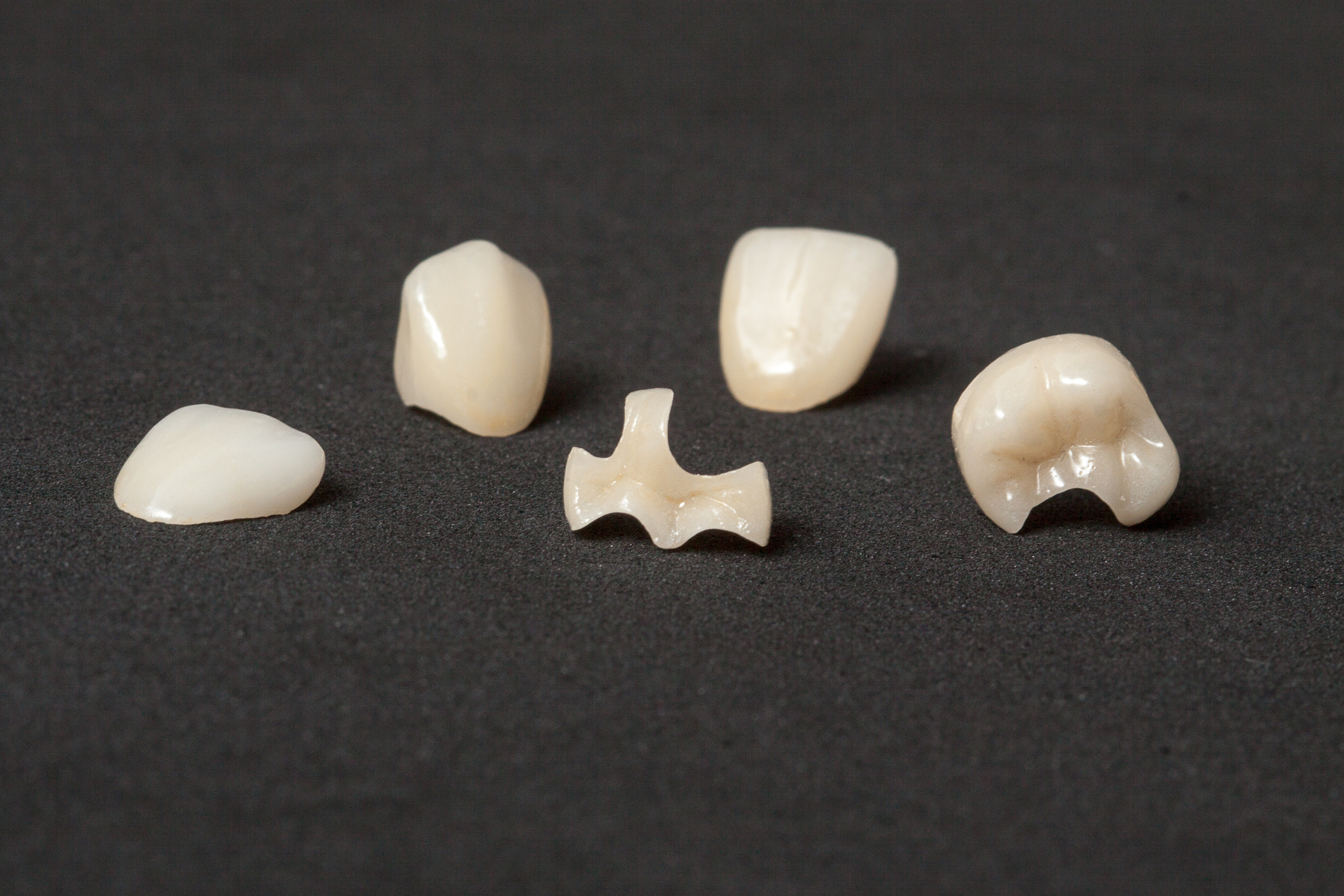
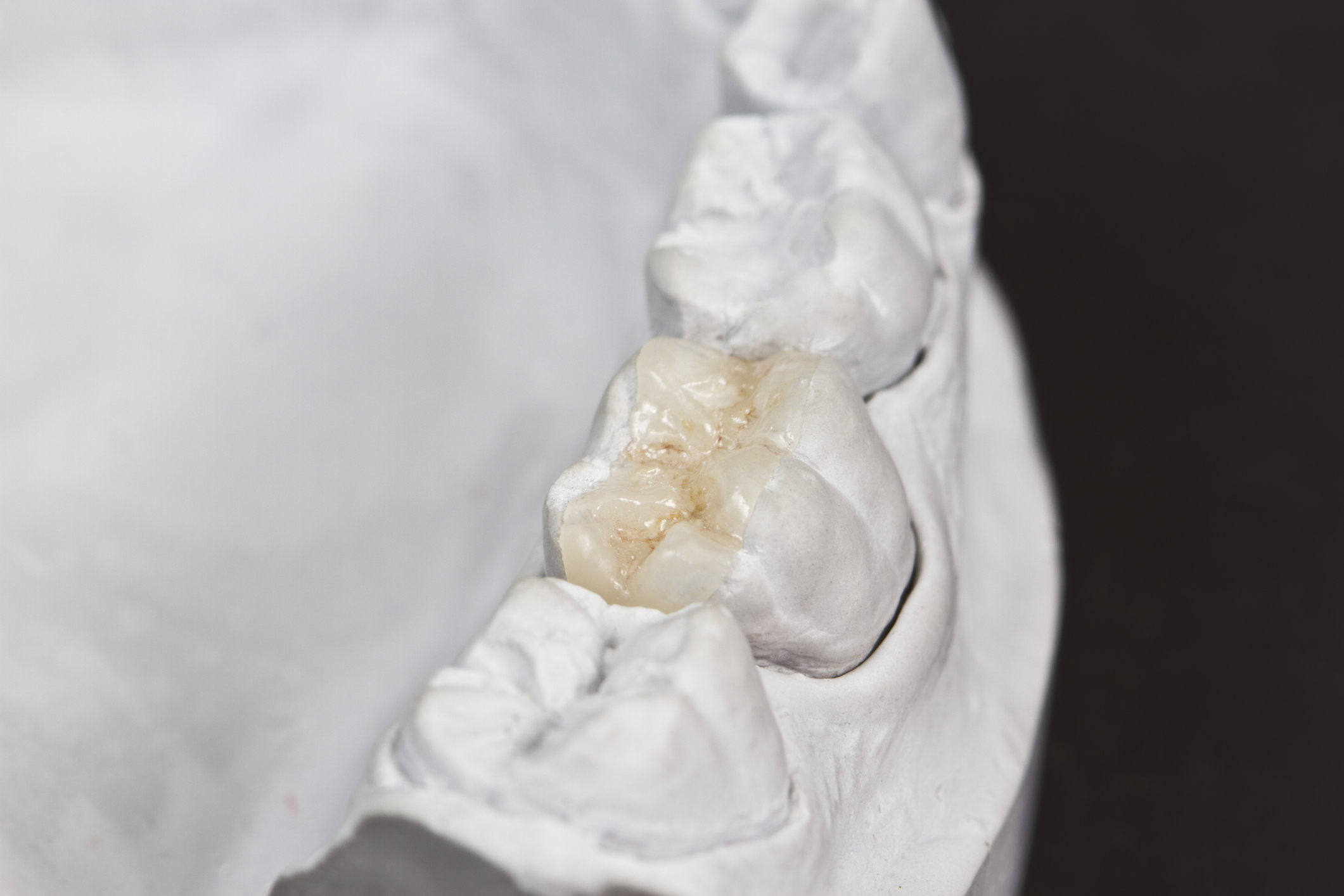
Inlays or onlays, also known as indirect fillings, can be used to repair teeth when a standard filling is not a suitable option. They are tailored to exactly fit your tooth, with an inlay cemented within the cavity and an onlay fully covering the biting surface of the tooth.

Inlays and onlays preserve more of your healthy tooth than some other restorative options, and are very easy to look after. They protect and strengthen your tooth, and are more durable and stable than fillings, enabling you to bite and chew without worry.

Treatment steps

Step 1

Firstly, we remove any areas of decay or old fillings and carefully clean your tooth.  We take digital images and impressions of your tooth to aid our planning and preparation.

Step 2

The accurate impressions of your tooth are used by a dental laboratory to create your custom-made inlay or onlay. We fit a temporary restoration to protect your prepared tooth while it is being made.

Step 3

When your inlay or onlay is ready, we check it for fit and comfort before fixing it permanently into place using a strong dental adhesive.
Contact us today

Frequently asked questions

What are inlays and onlays made of?

Inlays and onlays are made from hard wearing materials, including porcelain and composite resin. If the inlay or onlay is being fitted at the back of your mouth and aesthetics is not an issue, gold can be used to provide a particularly durable restoration.

How long do inlays and onlays last?

Inlays and onlays are generally regarded as long-term solutions for restoring your teeth. They are very stable restorations that fit a damaged tooth perfectly, are able to provide superior protection, and withstand stronger chewing forces. Generally, we would expect your inlay or onlay to last a similar number of years to dental crowns. This is usually around 10-15 years, provided you have good oral hygiene and look after your restoration properly.

How do I look after my inlays and onlays?

You care for your inlays and onlays in the same way you would care for your natural teeth. You should brush and floss daily and visit the dentist for routine appointments to ensure your restoration is secure and strong. As the inlay or onlay is tailored to fit, they can be easier to keep clean than other restorations.

Will I be able to eat normally with inlays and onlays?

You should take care when eating immediately after having your inlays and onlays fitted, and should avoid eating hard foods. However, you are able to resume eating as normal after a few days.