
Contact us 01903 503 841

Why have dentures?

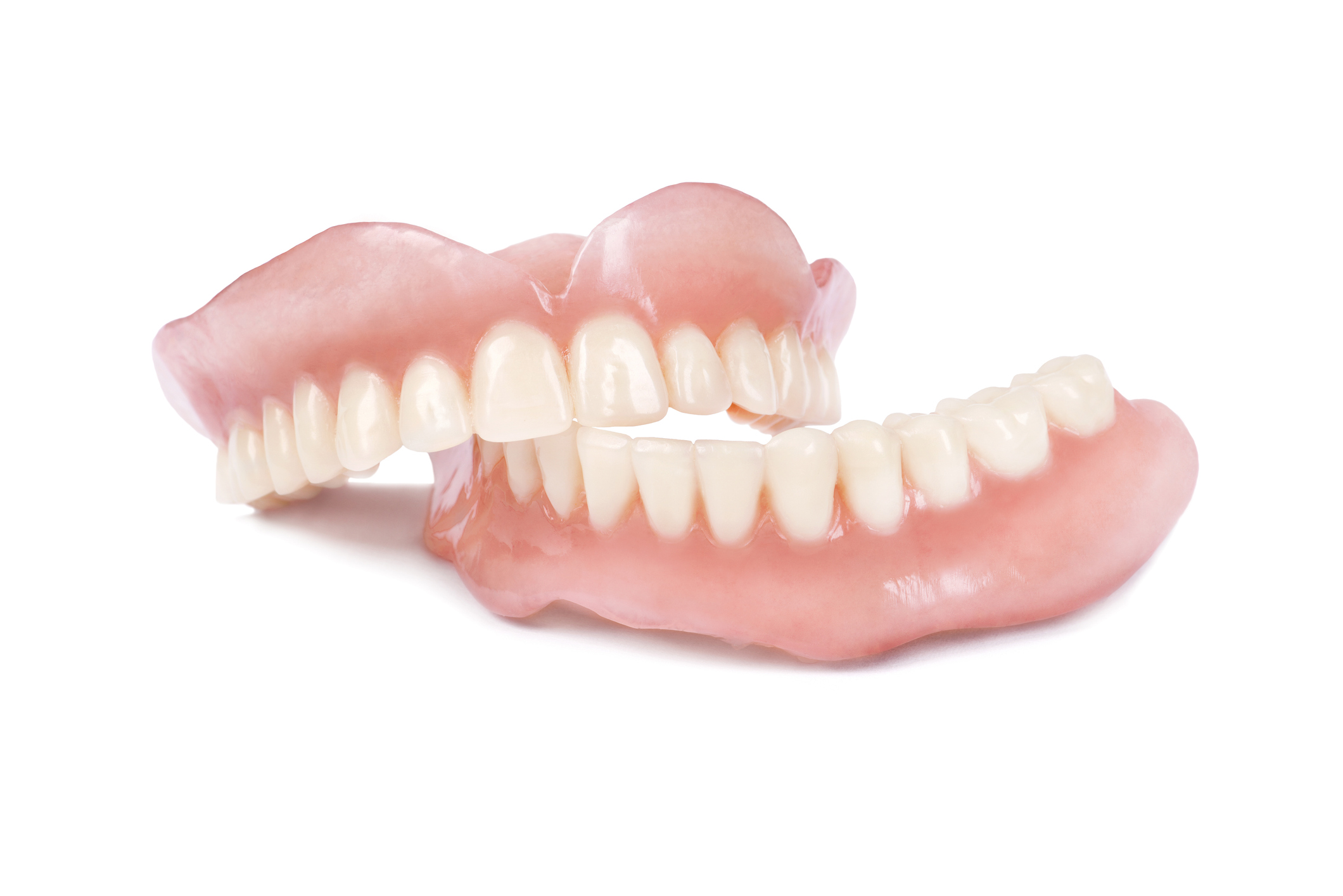
If you have missing teeth that you’re longing to replace, dentures are a strong, stable and effective option. They come with a range of benefits, including completing your smile and supporting your facial shape. Partial dentures blend in beautifully with your existing teeth, and complete dentures can pass for the real thing.

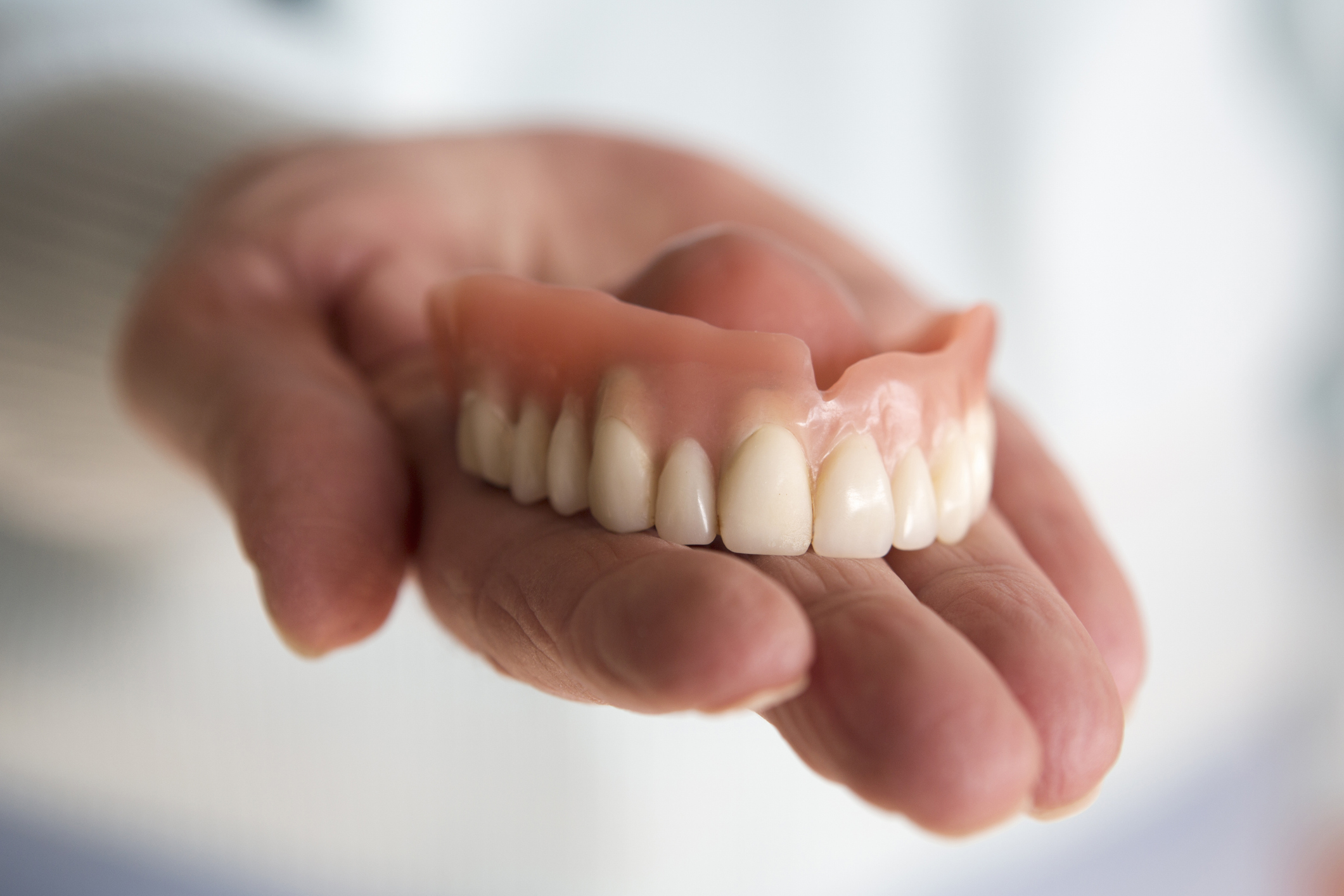
Replacing a full set of teeth with complete dentures provides vital support to your facial structure, keeping it from prematurely sagging around your cheeks and jaw. Partial dentures also help your remaining natural teeth stay in position, stopping them moving and causing you problems with misalignment. 

Treatment steps

Step 1

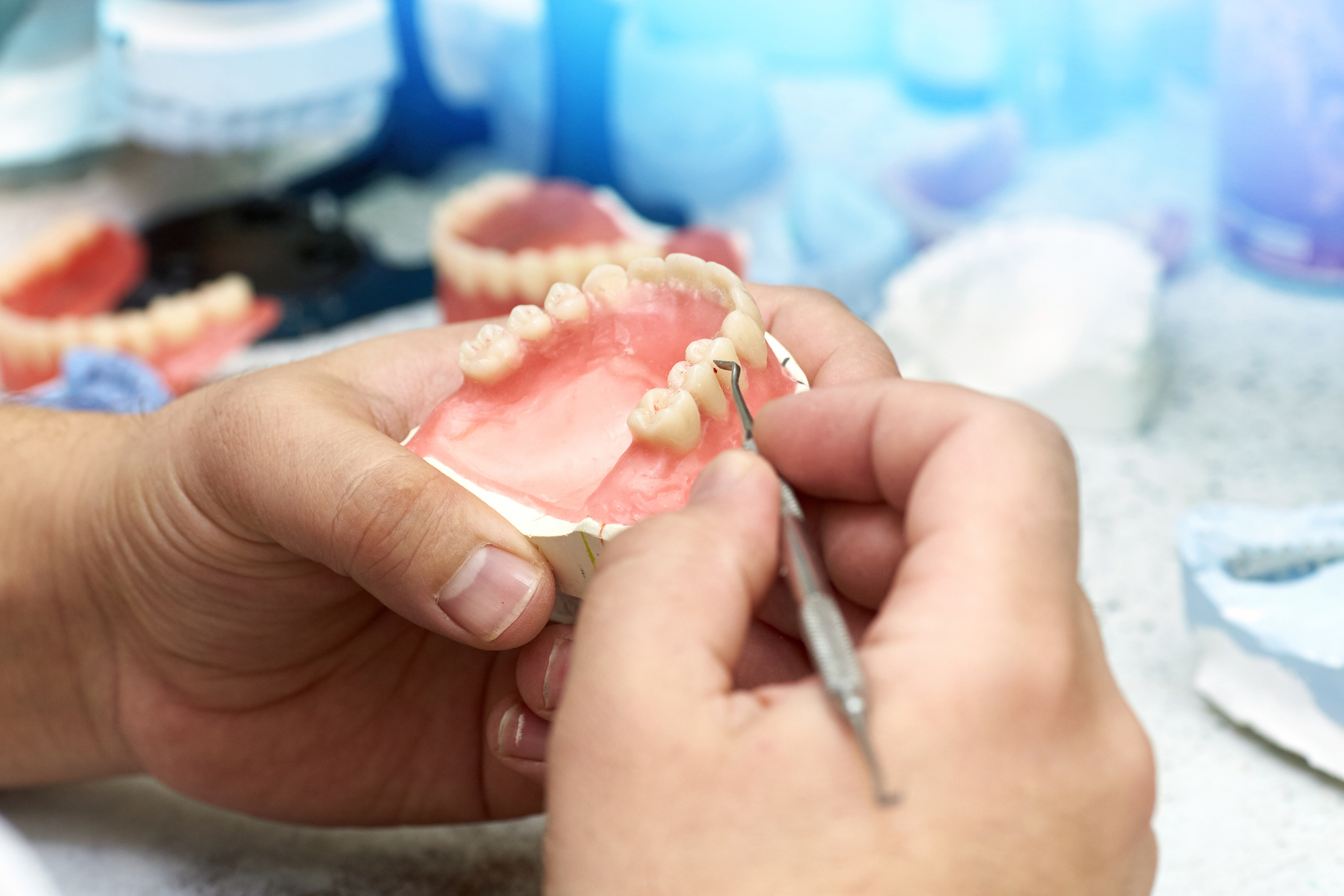
The denture making and fitting process can take several appointments as we make sure your final dentures are a secure and comfortable fit. After a consultation to ensure you are suitable for dentures, we take digital scans of your mouth so a model denture can be produced.

Step 2

We check the model denture for fit, bite and comfort, changing and amending it until you are completely happy with the look and feel. Your final set of dentures are then created in a dental laboratory.

Step 3

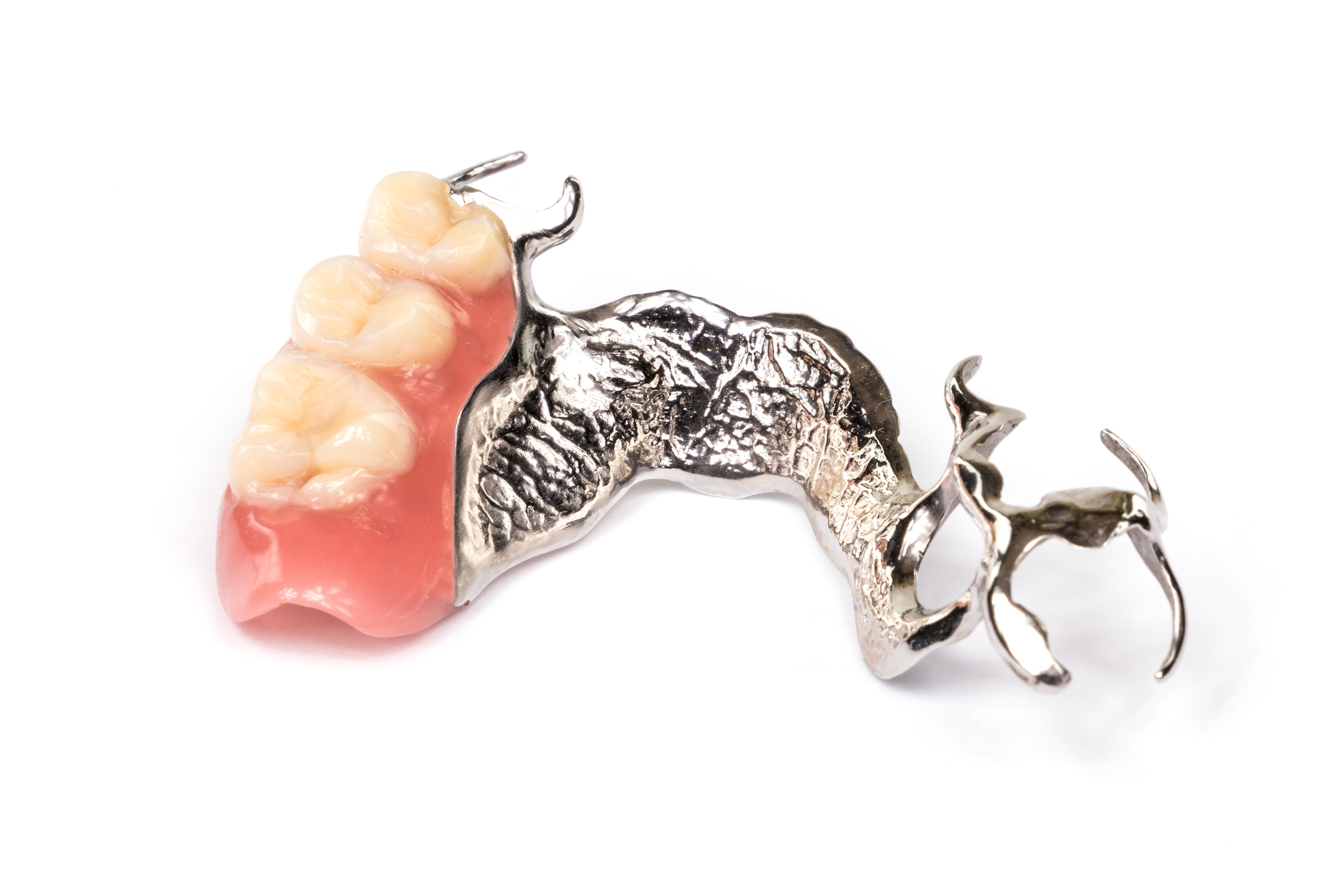
When your dentures are ready, we see you for a fitting appointment. If you are having complete dentures, these will consist of a gum-coloured arch with natural-looking prosthetic teeth attached, and will be fitted in the top or bottom of your mouth. Partial dentures may be held in place with metal hooks attached to your existing teeth.

Step 4

We make sure your dentures feel comfortable and look great and give you some tips and advice to help you get used to them and look after them.
Contact us today

Cobalt chrome dentures

Cobalt chrome dentures are a popular option. They are often smaller than other types of dentures and do not cover the roof of your mouth, instead relying on adjacent teeth to keep them in place. Cobalt chrome dentures are very close fitting and precise, but can only be used when existing natural teeth and gums are healthy.

Acrylic dentures

Acrylic dentures are a frequently used and popular option. They are a more cost-effective alternative to other types, and are comfortable to wear. Acrylic dentures are slightly bulkier than cobalt chrome and usually cover the roof of your mouth. If they are made well they should last for many years without issue.

Frequently asked questions

How do I look after my dentures?

Dentures are designed to be hard-wearing, but they will last longer if you treat them with care. Dentures should be removed before you go to bed so your gums can have a rest, but they must be stored in water or denture fluid as they could lose their shape if allowed to dry out.

How do I keep my dentures clean?

The best way to clean your dentures is with a toothbrush or special denture brush. It is also important to keep your gums and any remaining natural teeth clean too. Make sure you book regular check-ups and hygiene appointments so your dentist and hygienist can help you maintain good oral health and make sure your dentures are fitting well.

Do I need to wear my dentures overnight?

Unless you have been advised not to by your dentist, you should take your dentures out at night to give your gums a rest. Keep them in water or denture fluid so they don’t dry out. You should wear your dentures for at least 8 hours every day.

What do I need to avoid with dentures?

It’s best to avoid hard & chewy foods, as well as sticky or spicy foods and alcohol while your mouth is sore or healing. To get used to the feeling of dentures, you should try not to rush eating so you can focus on the eating process and take small bites or cut up your food into bite size pieces so less chewing is required.

How do I eat with dentures?

It can take a little while to get used to your new dentures, especially if they are a complete set. They may feel odd at first and eating can be tricky, so it may be a good idea to start with softer foods and slowly introduce more challenging items. The amount of saliva in your mouth may increase, but this should soon improve as your mouth gets used to your replacement teeth.

Will I be able to speak properly with dentures?

Initially, speaking may be difficult but you can improve this by reading aloud. If you are experiencing any sore spots in your mouth, the denture surface may need some adjustment.

Will my new dentures hurt?

Minor irritation is common as you get used to your dentures, but may be an indication that your dentures need adjusting. If you are experiencing pain or discomfort, please call your dentist as soon as possible so they can fix the problem and ensure your dentures are comfortable.