
Contact us 01903 503 841

Why have a bridge?

Replacing missing teeth is important not only for restoring your confidence but also for maintaining your oral health. A full smile prevents surrounding teeth from shifting, which can lead to misalignment and bite issues. It also protects the vulnerable gum tissue.

Dental bridges provide a more stable alternative to removable partial dentures, as they are securely fixed in place. We can also combine bridges with dental implants for a strong and long-lasting way to replace multiple missing teeth.

Treatment steps

Step 1

We begin by ensuring the supporting teeth are healthy and robust. These teeth are then prepared for crowns to be fitted by gently removing a thin layer of enamel.

Step 2

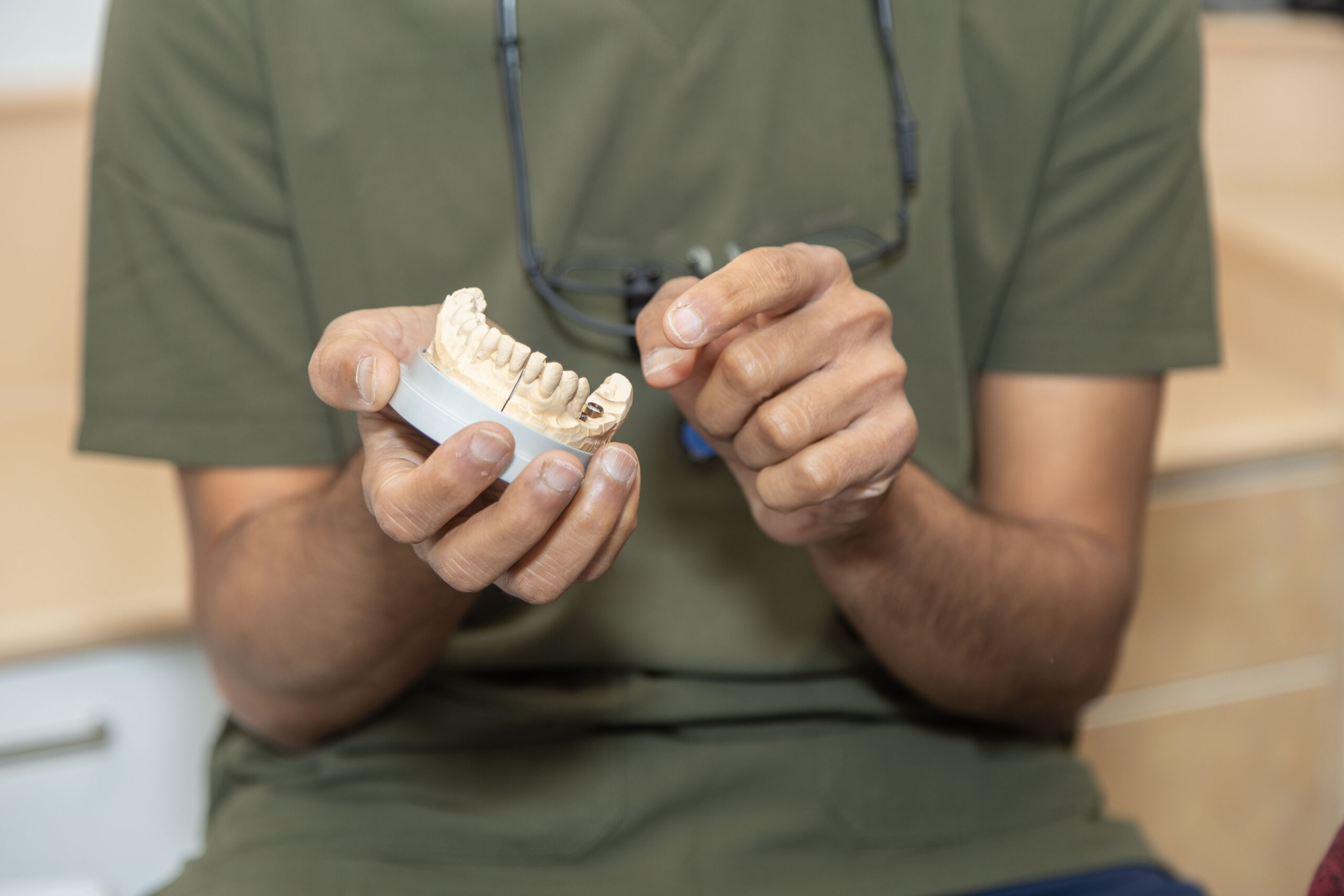
We take precise digital impressions of your prepared teeth, which are sent to a dental laboratory to be custom-made to your exact specifications. While your bridge is being created, we’ll provide you with a temporary bridge to protect the prepared teeth.

Step 3

When your bridge is ready, we carefully assess the fit, making any necessary adjustments for optimal comfort and function. Finally, we securely fix your bridge in place with durable dental adhesive.
Contact us today

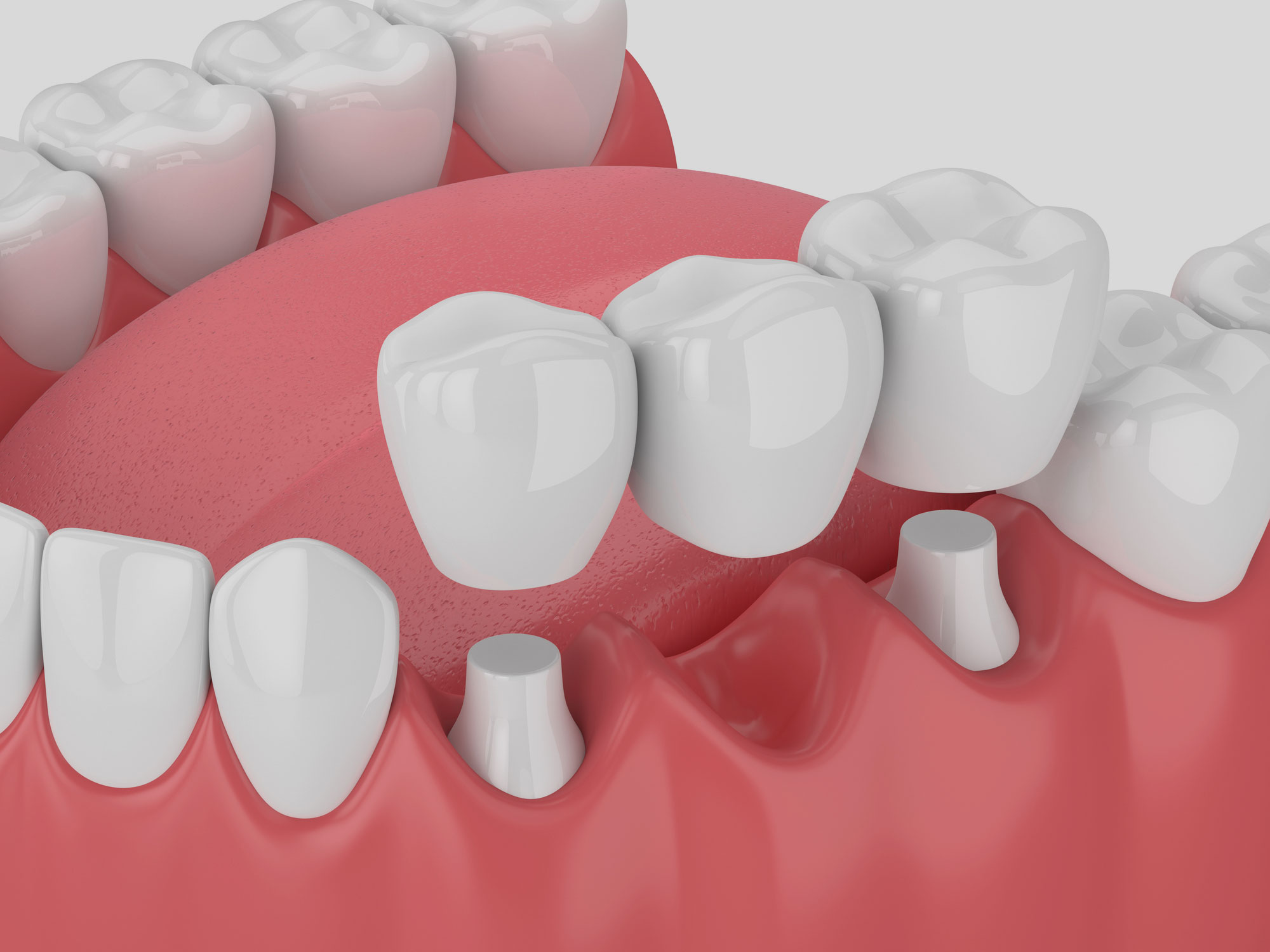
Traditional bridges

Traditional bridges involve preparing the teeth on either side of the gap and placing crowns on them as support. These crowns are connected to the artificial tooth (pontic), effectively bridging the gap and restoring your smile.

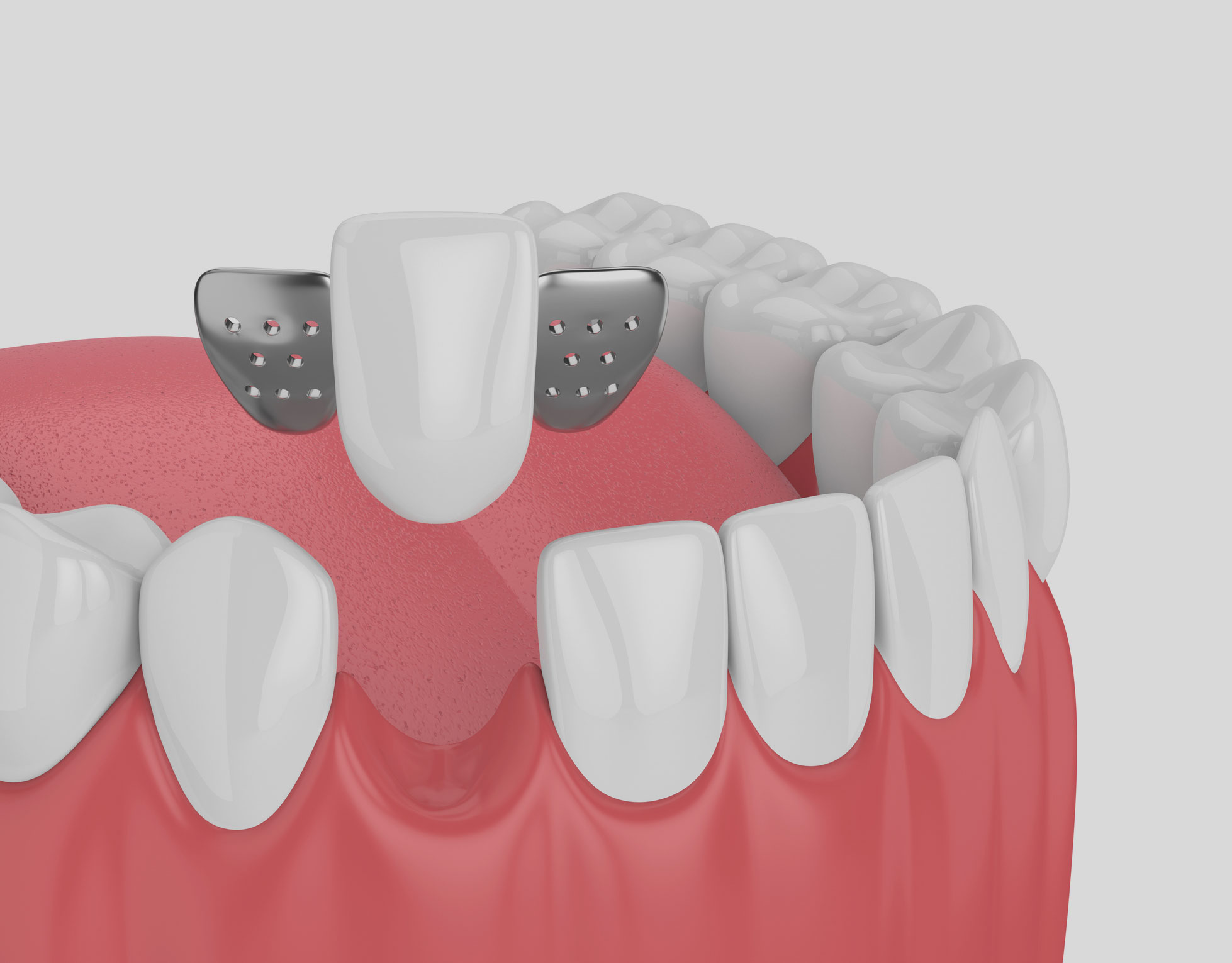
Adhesive (Maryland) bridges

Adhesive bridges require minimal preparation of the supporting teeth. They feature metal or ceramic wings (brackets) that are bonded to the back of the adjacent teeth to secure the artificial tooth. These bridges are ideal when the supporting teeth are in excellent condition or have minimal fillings. They offer a more affordable and less invasive option compared to implants, although they may not be suitable for all situations.

Frequently asked questions

How do I look after my dental bridge?

Proper daily cleaning is essential for maintaining your bridge and preventing issues such as bad breath and gum disease. You’ll need to clean beneath the artificial replacement tooth daily. Your dentist or hygienist will show you how to use special floss and brushes, as a standard toothbrush cannot reach these areas effectively.

Are dental bridges costly?

While the initial cost of a dental bridge may seem significant, it represents a valuable investment in your long-term oral health and aesthetics. At our practice in Worthing, we provide you with a fully costed treatment plan, so you are aware of the expected costs before your treatment begins.

How long do dental bridges last?

With diligent care, including maintaining the health of the supporting teeth, dental bridges can last for over a decade.

Are there alternatives to dental bridges?

The main alternatives to dental bridges are removable partial dentures and dental implants. Bridges offer a more secure solution compared to partial dentures, as they are fixed in place and won’t shift or slip. Implants are considered superior in terms of durability and aesthetics but are generally more expensive. Bridges can be seamlessly integrated with implants to replace multiple missing teeth.

Can all missing teeth be replaced by bridges?

Bridges can be used to replace a small number of missing teeth if the neighbouring teeth are sufficiently strong. The number of missing teeth, condition of the neighbouring teeth, condition of the supporting gums and bone are all important factors which need to be assessed by your dentist prior to making a bridge. Your dentist will also be able to advise on alternative methods of replacing missing teeth after a clinical examination.