


Contact us 01903 503 841

Why do I need my wisdom teeth removed?

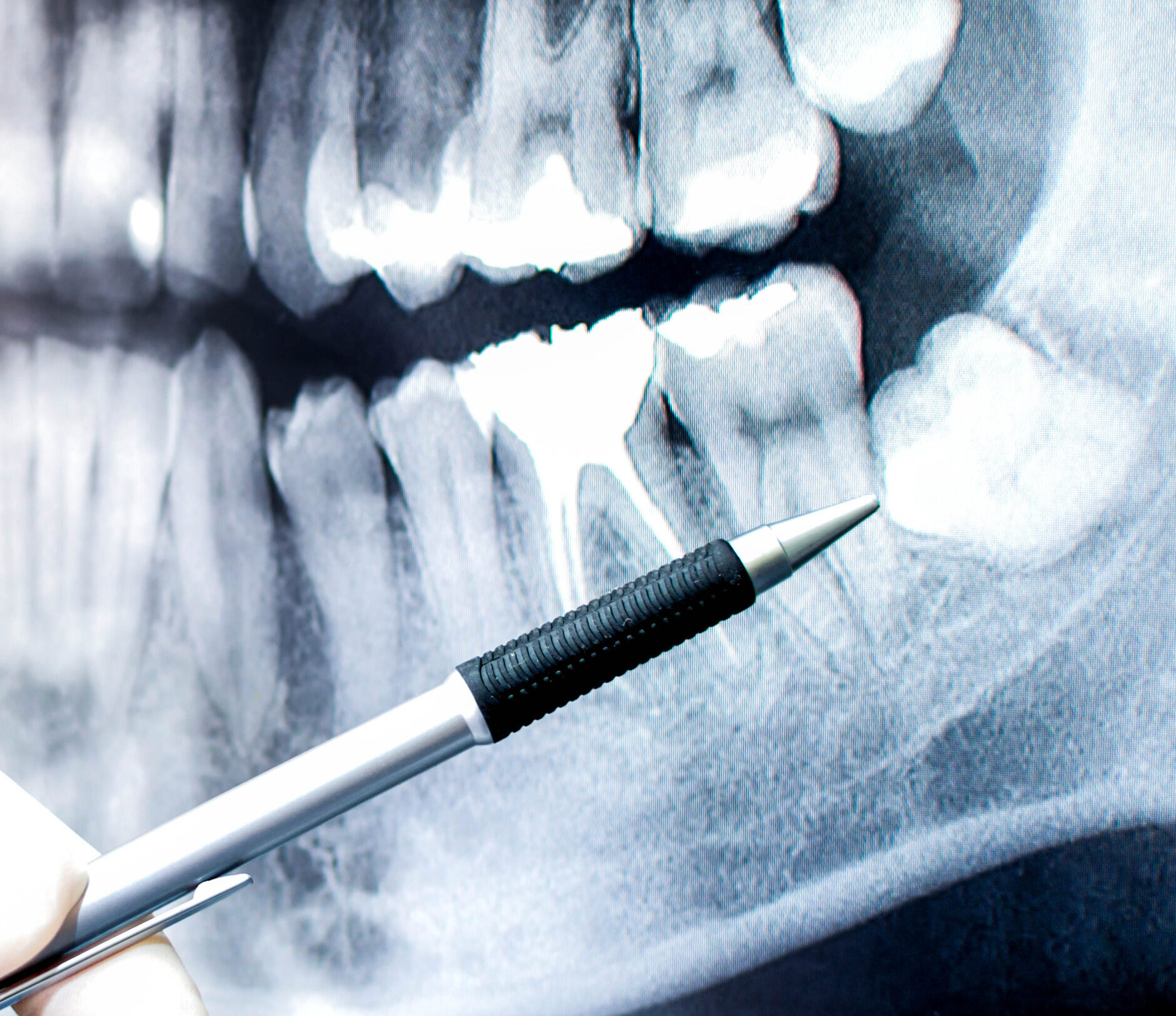
Most people have four wisdom teeth, which grow at the very back of your mouth. They usually appear during your late teens or early twenties, when all the other adult teeth are in place, and tend to get stuck or grow incorrectly due to a lack of space.

If your wisdom tooth is causing you pain, it is important to get it looked at. We can assess the impact of your tooth on the rest of your mouth and remove it if necessary, especially if it is causing unnecessary decay, infection or gum disease. However, some wisdom teeth will not need to be taken out, and can be managed with other treatments.

Treatment steps

Step 1

If your wisdom tooth needs to be removed, we discuss the procedure with you in detail and obtain your consent for the surgery before continuing.

Step 2

We use local anaesthetic to minimise discomfort and make sure you are relaxed and ready before we begin. We carefully remove your tooth by loosening it little by little until it is easily able to come out. In some cases, and if your wisdom tooth is impacted, we need to make a small cut in your gum to remove it successfully. We may also need to remove large teeth in parts.

Step 3

Once your tooth has been removed, we ensure you are feeling well and give you some tailored advice on what to expect in the first few days following the procedure.
Contact us today

Frequently asked questions

How long does it take to recover from wisdom tooth removal?

Recovery time varies from person to person and depends on how straightforward the removal is. Typically, you might experience some swelling and tenderness for the first few days. This can usually be managed effectively with over-the-counter pain relief, as recommended by your dentist. Many patients find they can get back to their normal activities quite quickly after the procedure.

Are there any alternatives to wisdom tooth removal?

If your wisdom tooth isn’t causing you any pain or discomfort, then often there’s no need to take it out. Sometimes, infections can be managed with antibiotics, and even if a tooth is a little stuck (impacted), we can often just keep a close eye on it during your regular dental check-ups. However, if problems keep occurring, or if the impacted tooth is making it difficult to keep your other teeth clean, we might advise removal as the best long-term solution.

Is a wisdom tooth extraction painful?

We always use a local anaesthetic to ensure you’re comfortable throughout the wisdom tooth removal, so you shouldn’t feel any pain during the procedure. You might feel a bit of pressure as we gently loosen the tooth, but this won’t be painful and is usually over quite quickly.

How long does it take to remove a wisdom tooth?

The time it takes can vary, from just a few minutes to around half an hour, depending on how complex the situation is. Your dentist will be able to give you a better idea of the expected timeframe during your initial consultation.

Do I need to avoid certain foods after my treatment?

Yes, for a little while after your wisdom tooth removal, it’s best to steer clear of hard, chewy, or very acidic foods. These could potentially get stuck in the extraction site and cause discomfort or increase the risk of infection. We usually recommend sticking to soft foods and making sure you drink plenty of fluids in the initial period. Your dentist will give you detailed aftercare advice, including how long you can expect your recovery to take.