
Contact us 01903 503 841

Why have dental hygiene treatment?

Prevent

Avoid future dental problems with effective hygiene treatment

Freshen

Achieve long-lasting fresh breath and a clean-feeling mouth

Confidence

Feel good about your oral health and bright smile

Protect

Keep your teeth and gums healthy for the long term

Our dental hygiene treatment process

Step 1 – Consultation

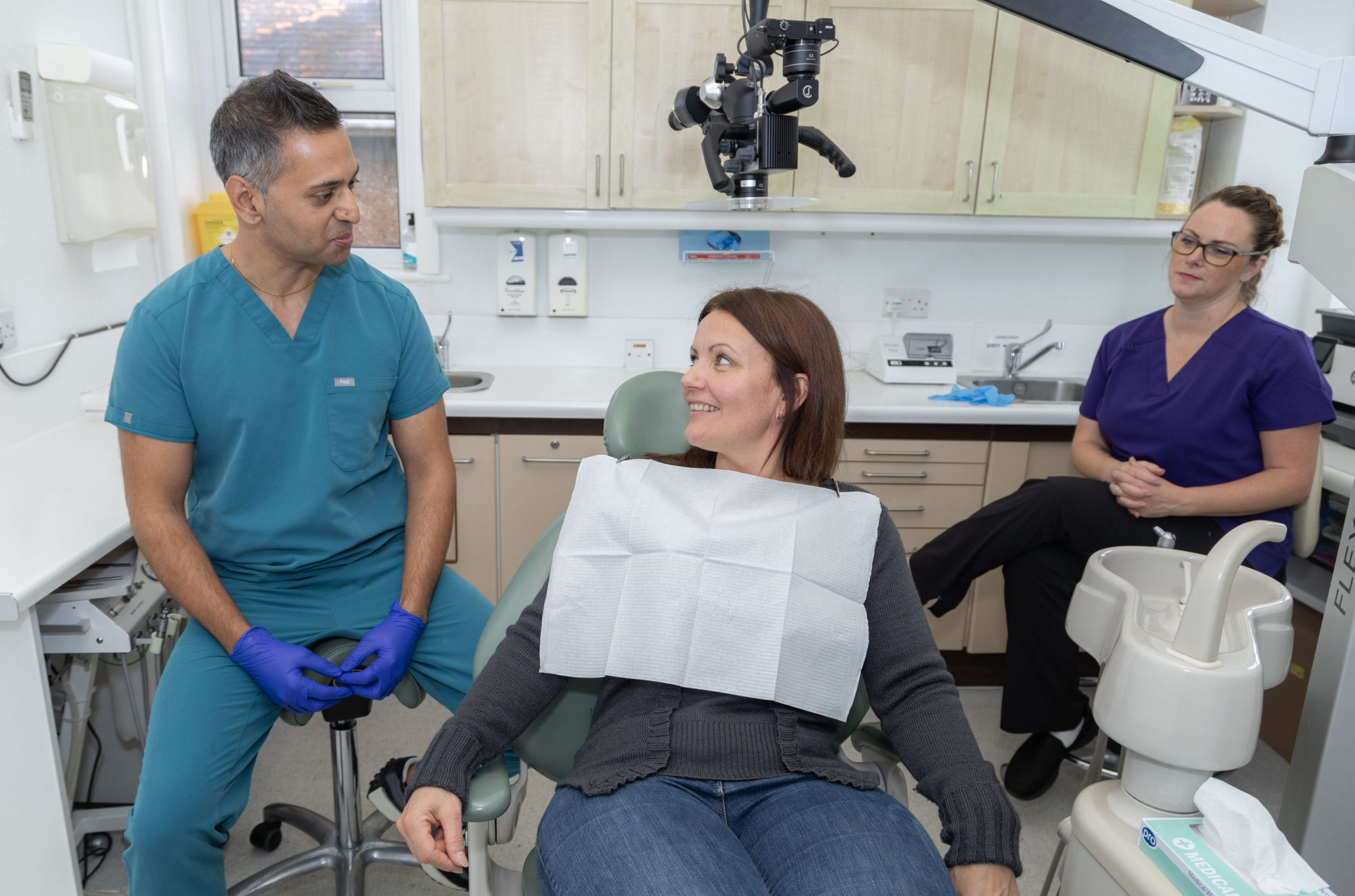
We begin your hygiene treatment with an informal conversation about your oral health. We ask you about your brushing and flossing routine at home, and if you have any concerns about your teeth and gums. We also make sure you are feeling fit and well.

Step 2 – Plaque removal

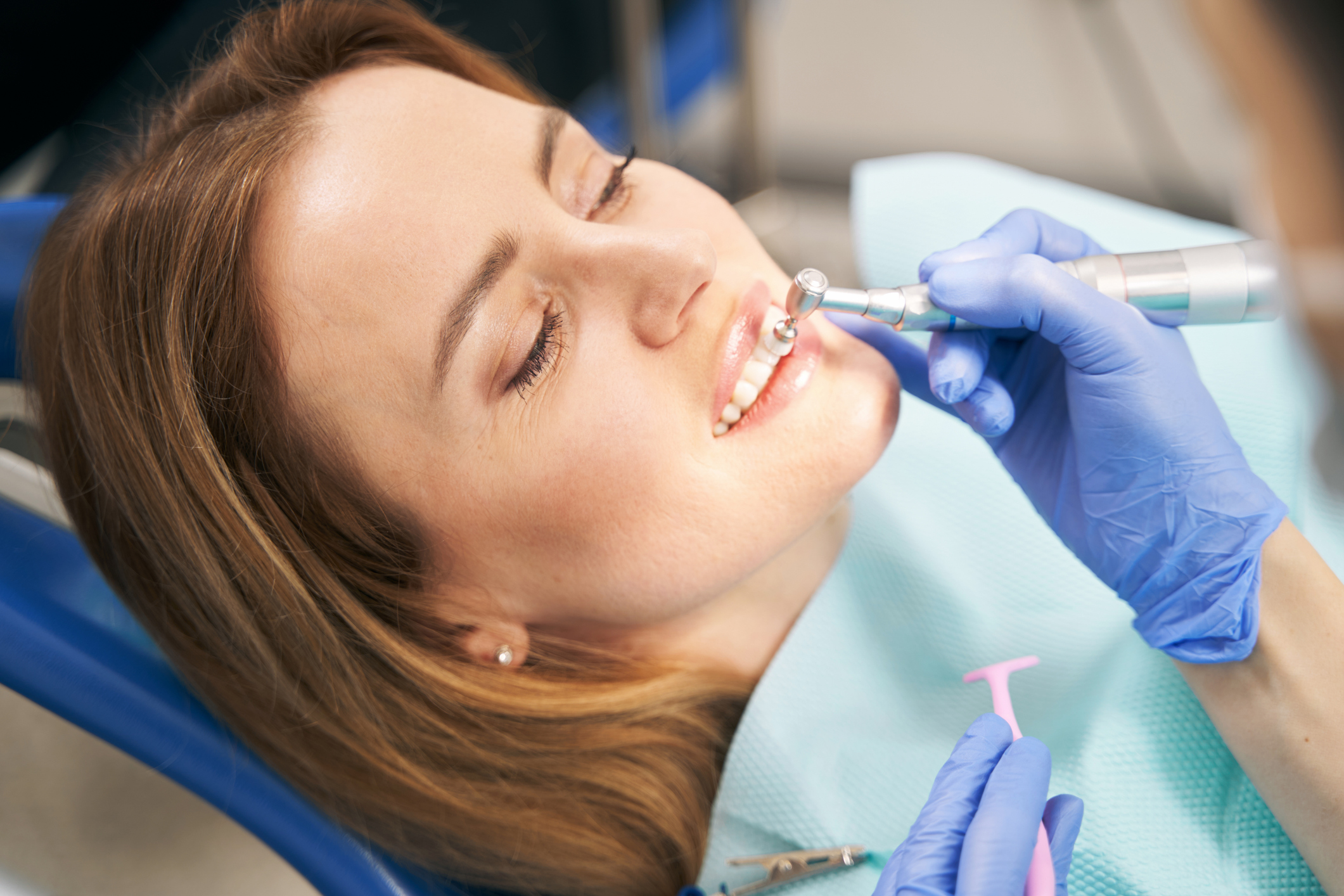
The majority of your hygiene appointment is taken up with your professional teeth cleaning and plaque removal. Using specialised instruments, we lift stubborn tartar from all areas of your mouth, especially those you find hard to reach at home.

Step 3 – Professional polish

We give your teeth a full and thorough polish using a coarse paste and comfortable brush. This leaves your teeth looking and feeling smooth, clean and bright, and your breath fresh.

Step 4 – Advice

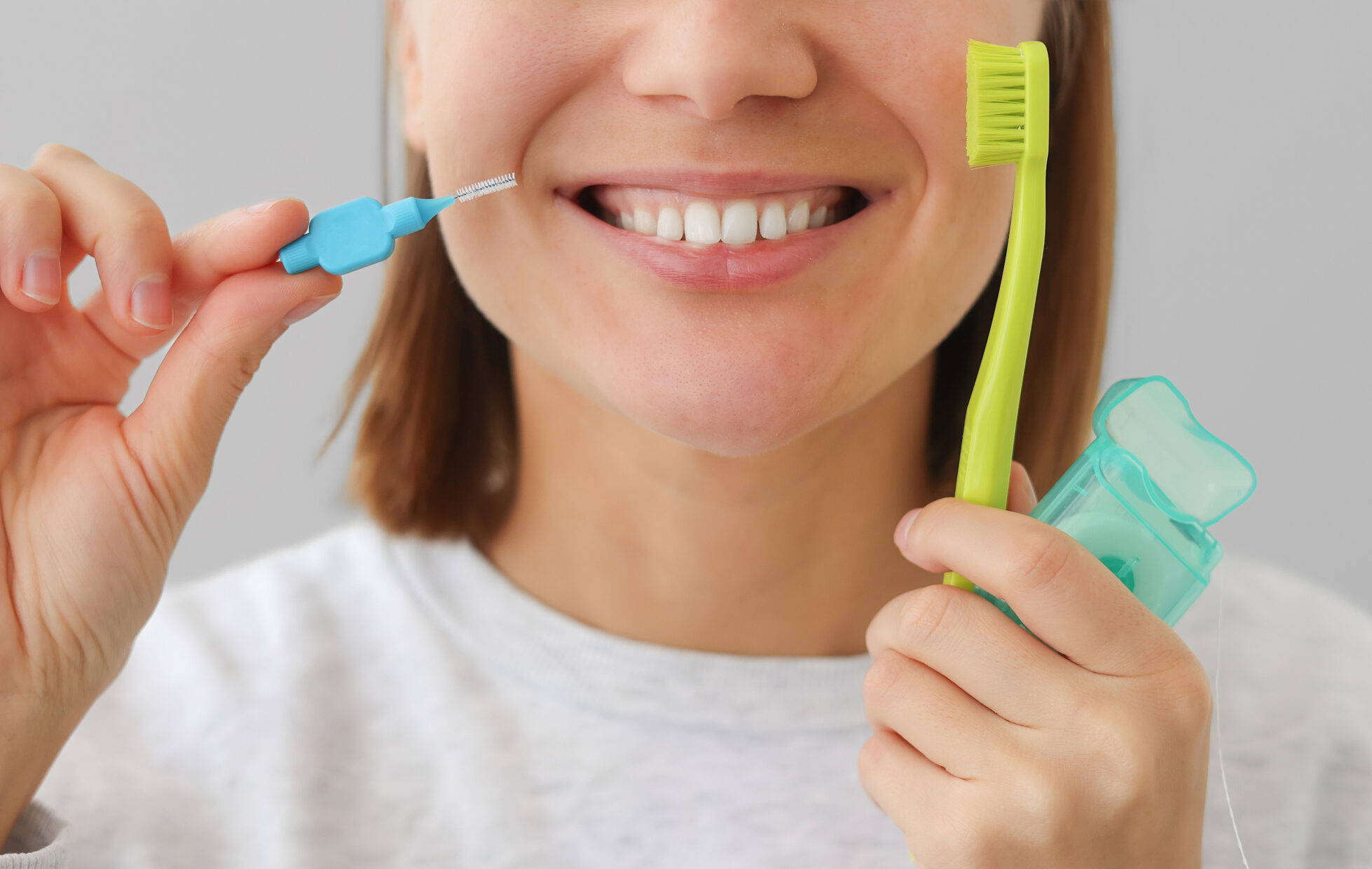
At the end of your appointment, we give you some personalised advice for keeping your teeth and gums as healthy as possible at home. We can also show you how to use floss or interdental brushes, if necessary. We also let you know when to book your next hygienist appointment.
Book an appointment

Why is hygiene treatment important?

Looking after your gums is key to excellent overall oral health and a beautiful supported smile. Our team of hygienists at Grand Avenue Dental is ideally placed to help you maintain healthy gums for life, with regular hygiene appointments to prevent gum disease and gently remove any plaque and bacteria that are already causing irritation.

The early signs of gum disease can be mild and are easily missed. Our thorough gum health checks ensure we spot any potential issues in the early stages and allow us to take proactive steps to prevent them from becoming more serious. If it is left untreated, gum disease can lead to receding gums and is a significant factor in tooth loss. Successful regular hygiene treatment can boost your confidence with a brighter, cleaner smile.

Why choose us?

  • Highly qualified, experienced and friendly hygienists
  • Passionate about giving you the best dental care
  • Relaxing and welcoming practice surroundings
  • Long-established excellence in dentistry
Contact us

Frequently asked questions

How often should I see a dental hygienist?

The length of time you should leave between your hygienist appointments depends on your individual needs and your oral health. We recommend that most patients see their hygienist every six months, in order to maintain long-term excellent oral health. However, if you have a history of gum disease or other specific concerns, we may suggest more frequent appointments to ensure your gums and teeth stay healthy.

What does a dental hygienist do during a cleaning?

During your appointment, our dental hygienist will gently and thoroughly remove any plaque and tartar buildup from your teeth, both above and below the gum line. They will also polish your teeth to remove stains and leave them feeling smooth and clean. You will also receive personalised advice to help you keep your teeth and gums healthy between your appointments.

What are some tips for maintaining good oral hygiene at home?

The best way to maintain good oral hygiene at home is to make sure you brush your teeth twice a day, using interdental brushes or floss to reach between the teeth. It is also helpful to limit the amount of sugary snacks and drinks you consume. Please ask your hygienist for some personalised advice.

What is gum disease?

If plaque builds up around the teeth and gum line, the gum tissues can become inflamed. The irritated gums often bleed while brushing, making them susceptible to the bacteria in the mouth. Swollen, red gums are often one of the first signs of the early stage of gum disease, known as gingivitis. Other symptoms include tooth sensitivity and bad breath. If left untreated, this gingivitis can progress to a more severe form of the condition, periodontitis. This isn’t reversible but is manageable with effective treatment.

How can I prevent gum disease?

You can prevent gum disease by keeping up with a good oral hygiene routine at home, including brushing twice a day and using floss or interdental brushes. It is also important to visit your hygienist for regular appointments so they can deep clean your teeth and spot and treat any early signs of gum disease. Routine check-ups with your dentist also play a role in preventing gum disease.

Does dental hygiene treatment hurt?

Dental hygiene treatment shouldn’t hurt. We always make sure you are feeling relaxed and ready before we begin, and let you know what to expect during the cleaning. There can be an element of discomfort, and sometimes tooth sensitivity can be experienced. We will also be guided by you and if you feel any pain, we will stop immediately to give you a break.